
Training through pregnancy, and afterwards
Strength and conditioning adjusted as your body changes, and a considered return to training after birth. Coordinated with your obstetric provider rather than in place of them.
-
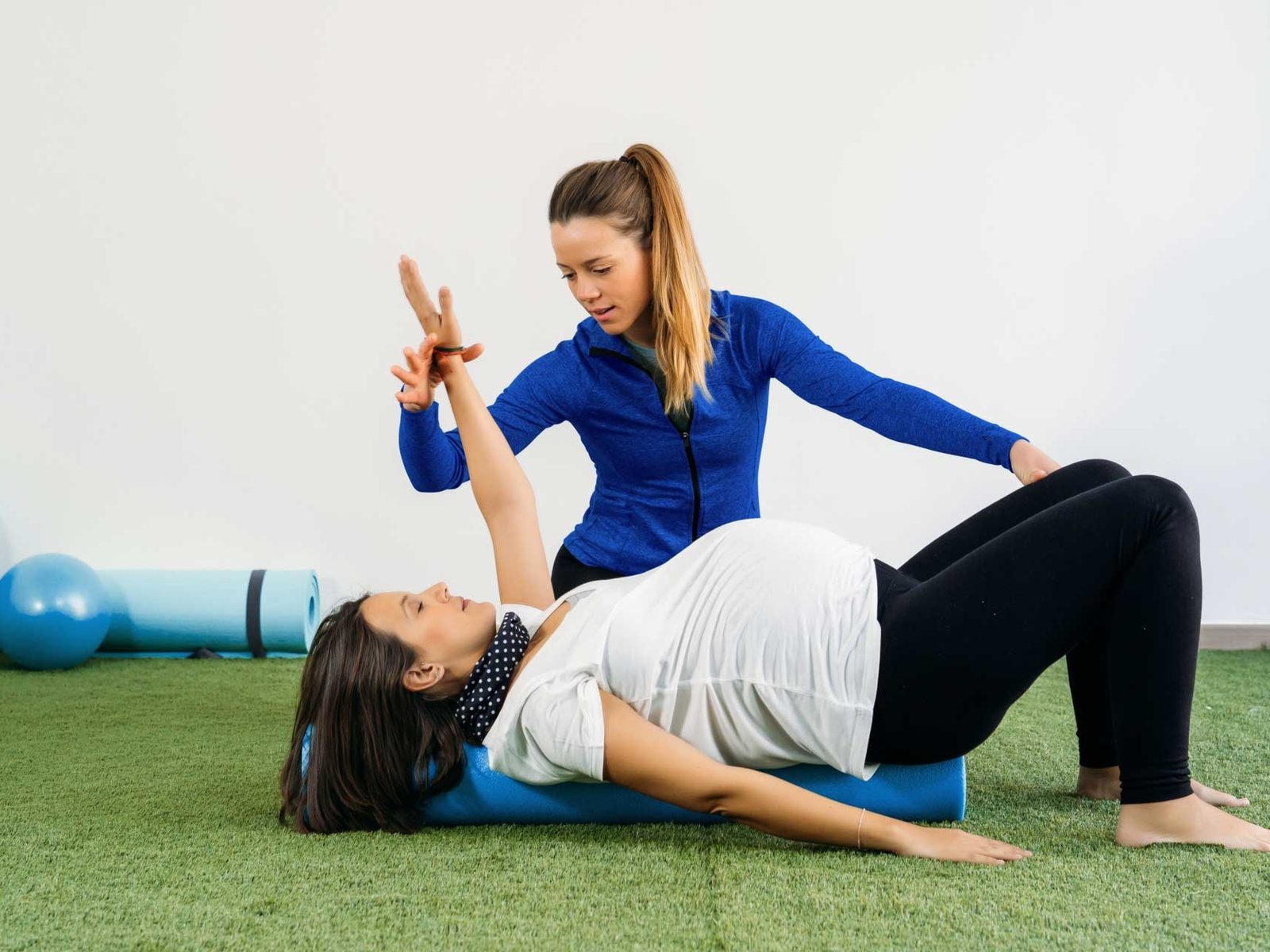
Coached, not counted
A coach who adjusts the program as the athlete develops, rather than an instructor running a room through a fixed session.
-
One-on-one, not a group format
Your program changes trimester by trimester. That does not work in a fixed class.
-
We work with your provider
Whatever your obstetrician or midwife has advised sets the boundaries of the program.
Who this is for
What people tell us at this stage
- You have been handed a lot of advice and very little of it agrees.
- You were active before, and nobody will tell you what is still allowed.
- You have been cleared at six weeks with no explanation of what to do with that.
- Something does not feel right through the middle and you cannot describe it.
- Every class is either aimed at nobody or aimed at somebody who has never been pregnant.
- You are being told to "listen to your body" while your body is unfamiliar.
What this is, and what it is not. This is fitness training, not medical or obstetric care. We do not give medical advice about your pregnancy or your recovery. Clearance from your obstetric provider comes first, and their guidance sets what we do.
The reasoning
What actually changes, and why the old program does not simply resume
Pregnancy changes the mechanics of the trunk in ways that persist after delivery. The abdominal wall lengthens, the ribcage widens, the center of mass shifts forward and the pelvic floor spends months managing a load it did not previously carry. None of that is damage. All of it changes what the body is currently equipped to do.
The consequence is that intra-abdominal pressure (the pressure generated whenever you brace, lift, cough or hold your breath under load) now has to be managed rather than assumed. That is the mechanism behind the symptoms people struggle to describe: a doming down the midline, a heaviness low down, a feeling that the middle is not participating.
Training that respects this is not training that avoids effort. It is training that restores the coordination between breathing, bracing and loading before it asks for maximum output, and then rebuilds strength from there. Done in that order, most people return to what they were doing before. Done in the wrong order, symptoms tend to persist and get blamed on the pregnancy rather than on the program.
The six-week clearance is a medical checkpoint, not a training plan. It says the tissue has healed enough to begin. It does not say what to begin with.
In plain English
- Diastasis recti
- A widening of the gap between the two halves of the abdominal wall. Extremely common late in pregnancy, and largely responsive to how the trunk is loaded afterwards.
- Pelvic floor
- The sling of muscle across the base of the pelvis. It works with the diaphragm and the abdominal wall, which is why it is trained alongside breathing rather than in isolation.
- Intra-abdominal pressure
- The pressure inside your trunk when you brace or lift. Managing it well is most of what safe loading means here.
- Bracing
- How you stiffen the trunk to transmit force. Relearning it deliberately is usually the first block of work post partum.
How it works
How the program adapts
-
Start from your clearance
Whatever your provider has said sets the boundaries. We build inside them.
-
Adjust as the trimester changes
Position, load and exercise selection all change. That is expected, and it is planned rather than improvised.
-
Return gradually afterwards
Being cleared is a starting line, not a finish. Loading comes back in stages.
-
Explain the reasoning throughout
So you can make informed decisions on the days you are not with us.
The consultation
What your complimentary consultation covers
It is a conversation with an exercise-science professional about where you are starting from. You should leave with useful insight whether or not you enroll.
A conversation with an exercise-science professional
You talk through what you want to be able to do, what has made exercise difficult before, and where you are starting from.
Your history, in full
Surgeries, injuries, the thing that flares up in cold weather, the sport you played at nineteen. It all changes the program.
Anything your care team has said
Bring restrictions, therapy notes or a post-operative protocol. We work inside them, and diagnosis and treatment decisions stay with your licensed providers.
Body composition, if it is useful to your goal
Body-composition assessment is available as part of getting started. Ask the team which measures are worth taking for what you want to achieve.
Something practical to take away
You should leave with useful insight into your options, whether or not you decide to train with us.
For this program specifically
How far along you are, or how long since delivery, and exactly what your physician, midwife or pelvic health therapist has said. If you have seen a pelvic floor specialist, bring what they told you.
The studios behind this program
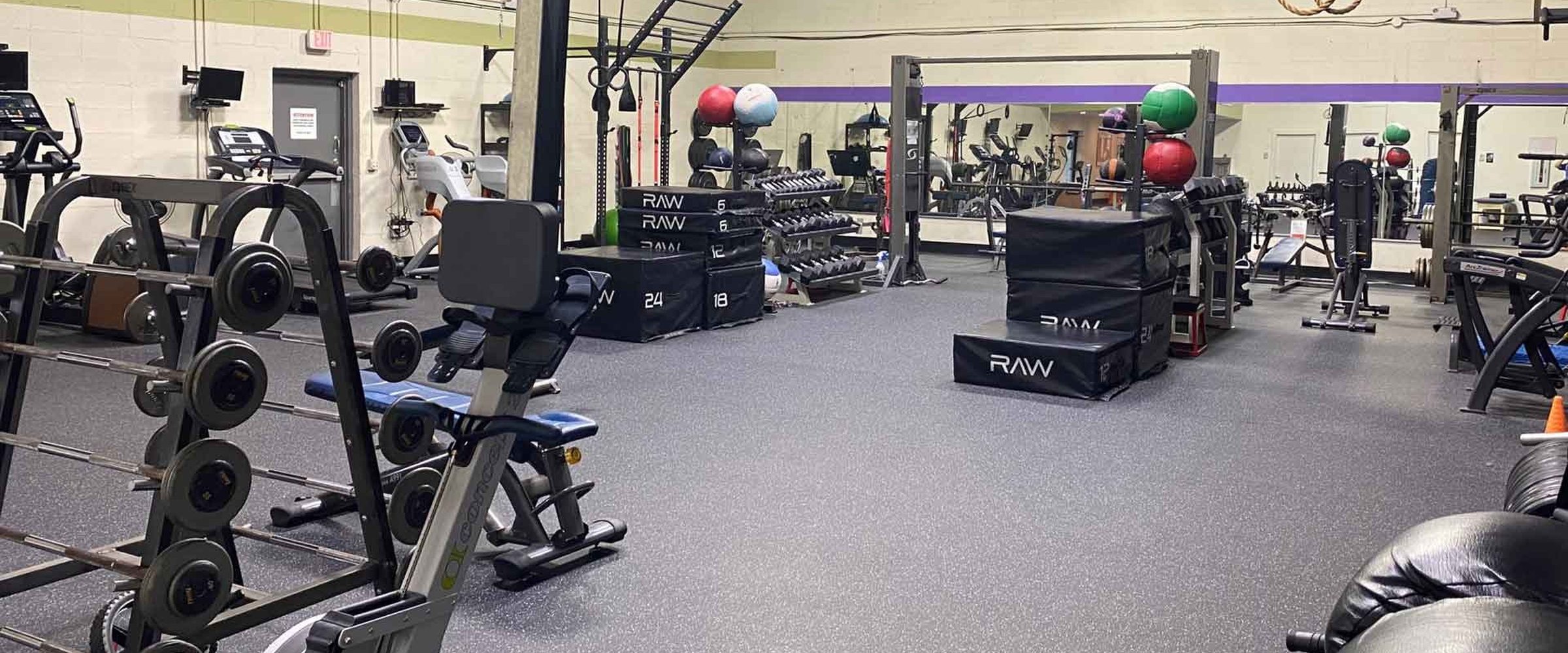
8,500
square feet indoors in Mobile
Under twenty foot ceilings, with a separate 2,400 square feet of covered outdoor area.
1,750
square feet at our Daphne studio
Personal Edge Fitness Eastern Shore, a boutique private studio. Approximate.
2
studios, in Mobile and Daphne
Serving Mobile and Baldwin counties. Mobile off the I-65 service road, Daphne on Highway 181.
Your coaching team
Who you would be working with
You work with a planned coaching team rather than being passed around at random.
A planned team, not a rota
Assignments are planned deliberately, so the people coaching you are chosen for complementary experience rather than whoever is free.
Shared notes
Your program, your history and what changed last session are written down and shared, so you are not starting the conversation again each time.
Continuity as your goals change
The same system is what lets your program keep moving when your goals, schedule or limitations change.
Exercise professionals, an intern and administration
Our practice brings all three together. Credentials are listed per person on the team page rather than claimed for the group.
Where we say no
Where this stops and clinical care begins
This is fitness training, not medical care. Leaking, pelvic heaviness, pain, or a separation that is not responding are all reasons to see a pelvic health physiotherapist or your physician, and we will refer rather than train through them. Nor will we train against a clinician's restriction. If you have not been cleared, the consultation is still worth having, but it will end with a plan for after clearance, not a session.
Common questions
Before you get in touch
Can I train while pregnant?
For most people with an uncomplicated pregnancy and a physician's agreement, yes, and continuing to train is generally encouraged. What changes is the selection and the loading, not whether you do it.
I was cleared at six weeks. Can I go back to what I did before?
Clearance means healing has progressed enough to begin. It is a starting line, not a return to the previous program, and going straight back is where most post-partum symptoms come from.
What if I have a diastasis?
Then the program is built around how your trunk currently manages pressure, which is the variable that actually matters. It is common, and it is not a reason to avoid training.
Do you work with my pelvic floor therapist?
Yes, and it works better when we do. Bring their notes and the program will be written inside them.
Is this only for new mothers?
No. Some clients arrive years afterwards, having never rebuilt the middle, and the work is much the same.
Who would I be working with?
A coach from our team, with assignments planned rather than random. If you would prefer to work with a particular person, say so when you get in touch — it is a reasonable request, and we will tell you what is possible.
What if I have to stop and start?
Assume you will. The program is written to survive interruption, because a plan that only works with perfect attendance is not a plan for this stage of life.
Start with a conversation
Tell us your goal, where you are starting from and anything your care team has said. The initial consultation is complimentary, at either studio.