
Sports and speed coaching, built around the athlete
Speed, agility and strength work for school and competitive athletes. It starts by finding out how the athlete actually moves, which is the part most speed programs skip.
-
Coaches who have worked with athletes
Korey Self completed a strength-and-conditioning internship with Central Alabama Community College athletes and has worked in private training. Which coach you work with depends on what you are training for.
-
A covered outdoor space
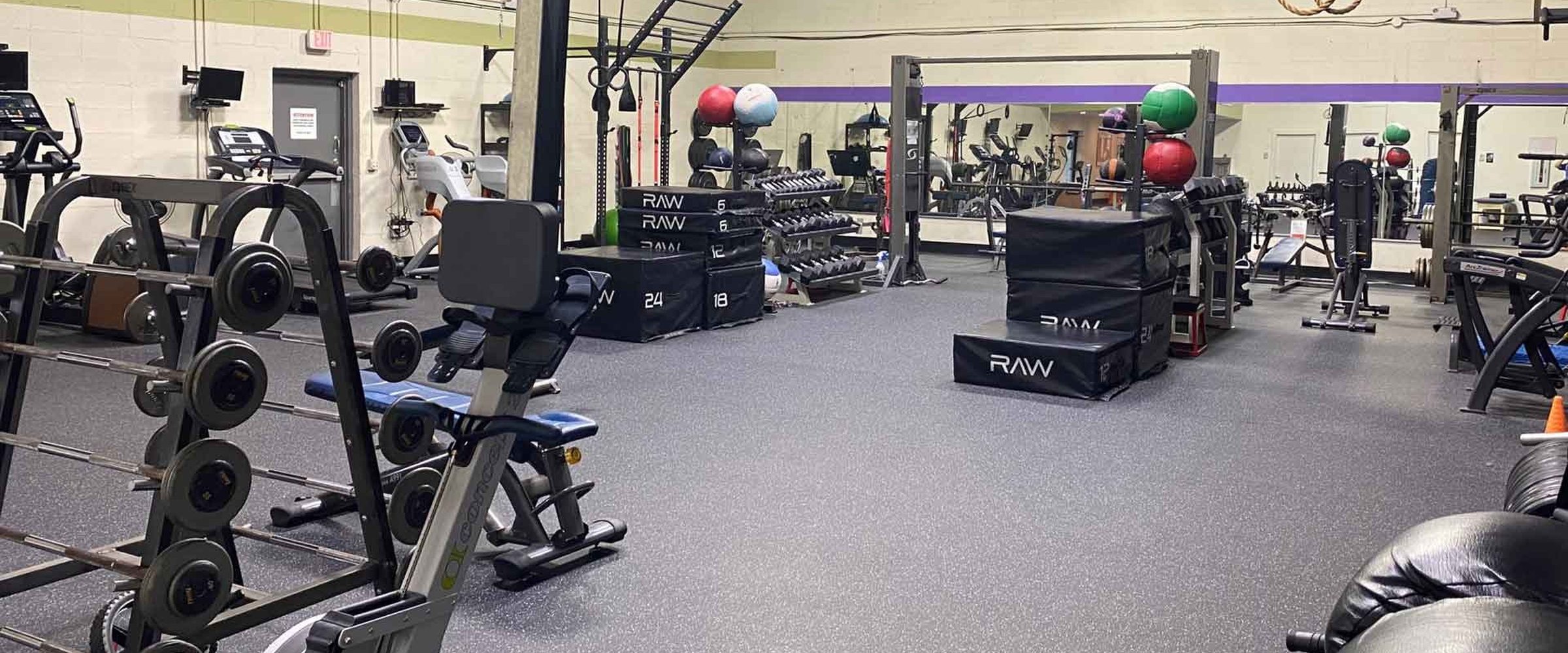
Two thousand four hundred square feet of covered outdoor training, separate from the indoor floor, so speed work does not happen in a corridor.
-
Endorsed by a college level coach
Coach Kelli Hillier played volleyball at the University of Georgia and coaches at St. Paul's Episcopal.
Who this is for
What parents and athletes usually tell us
- Your child is quick in a straight line and loses every change of direction.
- The season ends and the training ends with it.
- A club coach has thirty athletes and no time to program for one.
- The same injury keeps recurring in the same place.
- Recruiting timelines are approaching and nobody has a plan.
- The current "speed training" is running sprints until someone is sick.
The reasoning
Speed is mechanics before it is effort
Running faster is not primarily a matter of trying harder. It is a matter of putting more force into the ground in less time, in the right direction. Two athletes with identical fitness can differ substantially in speed because one of them is directing force efficiently and the other is losing it sideways, into the ground behind them, or into a trunk that folds under load.
This is why conditioning work, running athletes until they are tired, reliably produces tired athletes and unreliably produces fast ones. Fatigue degrades the exact mechanics you were trying to build. Speed work is trained fresh, in short exposures, with full recovery, which looks nothing like most of what gets called speed training at club level.
Change of direction is a separate skill again, and mostly a deceleration problem. Getting fast is comparatively easy; stopping and redirecting is where matches are decided and where non-contact knee injuries happen. Training it means training the athlete to absorb force, not only to produce it.
And underneath all of it sits the boring part that decides whether any of it survives the season: enough strength to tolerate the work, and a training year that accounts for the competitive one.
In plain English
- Acceleration
- The first several steps. A different skill from top speed, trained differently, and usually the one that decides youth sport.
- Deceleration
- The ability to absorb force and stop. Trained far less than sprinting and implicated in most non-contact knee injuries.
- Periodisation
- Planning training across the year so the athlete peaks in season instead of arriving exhausted.
- Rate of force development
- How fast you can produce force, as distinct from how much you can eventually produce. Speed lives here.
How it works
How athletes are trained here
-
Screen before prescribing
Movement quality, asymmetries, and the specific demands of the sport and position.
-
Train the deceleration, not just the sprint
Most field sport injuries and most lost time happen slowing down and changing direction. That gets coached deliberately.
-
Periodise around the season
In season and off season are different problems. Loading follows the calendar rather than ignoring it.
-
Progress you can see
How progress is reviewed, and how often, is agreed with the athlete and the parent rather than fixed in advance. Ask us what that looks like for the sport.
The consultation
What your complimentary consultation covers
It is a conversation with an exercise-science professional about where you are starting from. You should leave with useful insight whether or not you enroll.
A conversation with an exercise-science professional
You talk through what you want to be able to do, what has made exercise difficult before, and where you are starting from.
Your history, in full
Surgeries, injuries, the thing that flares up in cold weather, the sport you played at nineteen. It all changes the program.
Anything your care team has said
Bring restrictions, therapy notes or a post-operative protocol. We work inside them, and diagnosis and treatment decisions stay with your licensed providers.
Body composition, if it is useful to your goal
Body-composition assessment is available as part of getting started. Ask the team which measures are worth taking for what you want to achieve.
Something practical to take away
You should leave with useful insight into your options, whether or not you decide to train with us.
For this program specifically
The competitive calendar. What sport, what position, when the season starts and ends, and what the club is already asking of them each week.
The studios behind this program
8,500
square feet indoors in Mobile
Under twenty foot ceilings, with a separate 2,400 square feet of covered outdoor area.
1,750
square feet at our Daphne studio
Personal Edge Fitness Eastern Shore, a boutique private studio. Approximate.
2
studios, in Mobile and Daphne
Serving Mobile and Baldwin counties. Mobile off the I-65 service road, Daphne on Highway 181.
Your coaching team
Who you would be working with
You work with a planned coaching team rather than being passed around at random.
A planned team, not a rota
Assignments are planned deliberately, so the people coaching you are chosen for complementary experience rather than whoever is free.
Shared notes
Your program, your history and what changed last session are written down and shared, so you are not starting the conversation again each time.
Continuity as your goals change
The same system is what lets your program keep moving when your goals, schedule or limitations change.
Exercise professionals, an intern and administration
Our practice brings all three together. Credentials are listed per person on the team page rather than claimed for the group.
The experience and professionalism of the sport specific trainers at Personal Edge Fitness are second to none.
Where we say no
Where we would tell a parent to wait
If an athlete is in pain, mid-season and already training six days a week, or carrying an injury that has not been assessed, adding a second program on top is not the answer and we will say so. There is also an age below which structured speed work is mostly play, and pushing past that produces burnout rather than athletes. If your child is there, we would rather tell you than sell you a block of sessions.
Common questions
Before you get in touch
How young is too young?
It depends far more on the individual than the birthday, which is why this gets answered at the consultation rather than by a policy. What we will not do is put a young athlete on an adult program.
Can you work around the club season?
That is the point of asking for the calendar. In-season training exists to keep the athlete available and fresh; off-season is where the actual building happens.
Who would be coaching my child?
A coach from our team, assigned deliberately rather than at random, with the experience that suits the sport and the age. Ask us who that would be and what their background is — we will tell you.
Is this just conditioning?
No, and the distinction matters. Conditioning makes an athlete harder to tire. Speed work makes them faster, and it is done fresh, in short exposures, precisely so it is not conditioning.
My child plays two sports. Is that a problem?
Usually the opposite. Varied athletic exposure early tends to serve athletes well. It does mean the training load has to be planned around both rather than either.
Will this help with recruiting?
It can help with the testable numbers, and improving them is honest work. Nobody here is going to promise you an outcome that depends on coaches we have never met.
What happens when the season starts?
The program changes shape rather than stopping. Volume comes down, the emphasis moves to keeping qualities you already built, and the priority becomes arriving at matches able to play.
Start with a conversation
Tell us your goal, where you are starting from and anything your care team has said. The initial consultation is complimentary, at either studio.