
Getting stronger, on a plan that accounts for you
Progressive resistance training built from where you actually are. Not a program copied off someone else, and not a competition with the person next to you.
-
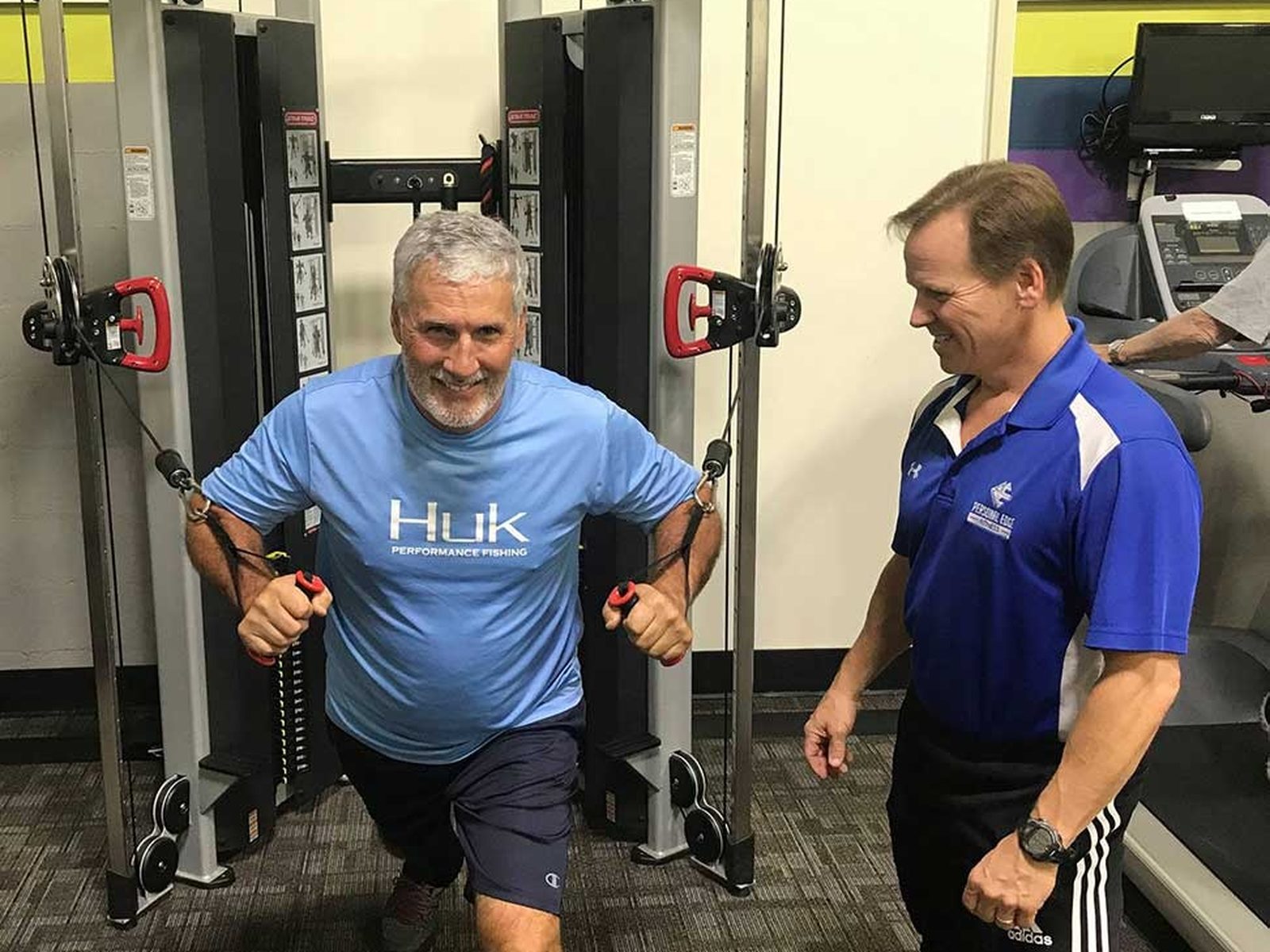
A certified strength and conditioning coach
Korey Self holds a BS in Exercise, Performance and Health Optimization from Auburn and a CSCC certification.
-
Programs are written, not improvised
You will know what you are doing before you walk in, and why it follows what you did last week.
-
Programs that keep up with you
Shared notes and individualized programming support continuity as your goals, needs and limitations change.
Who this is for
Where most people get stuck
- You have been lifting for a while and nothing has moved in months.
- Your program came from an app that has never seen you move.
- You are strong in the gym and it has not transferred to anything else.
- Every session is decided that day, by how you feel.
- You have collected injuries that each seemed minor at the time.
- You suspect your technique is wrong but nobody has ever told you where.
The reasoning
Why progress stops, and why it is almost never about effort
Strength improves when the body is given slightly more than it is currently equipped to handle, is allowed to recover, and then meets that demand again. Every part of that sentence is a variable, and a plateau usually means one of them has drifted rather than that you have stopped trying.
The most common drift is that load stopped rising while effort kept rising. Sessions get harder and heavier in feel without getting heavier in fact: more sets, more fatigue, more soreness, the same weight on the bar. That produces the sensation of hard training and very little of the stimulus that actually drives adaptation.
The second most common is that recovery never got scheduled, so the program is written for a body that is always fresh and executed by a body that never is. The third is technical: a lift that leaks force somewhere will cap out well below what the muscles could otherwise do, and no amount of additional effort fixes a leak.
Working out which of the three is yours takes someone watching the bar and reading the log, not a template or a guess.
In plain English
- Progressive overload
- Systematically asking for slightly more over time. The engine of every strength gain, and the thing most stalled programs have quietly stopped doing.
- Deload
- A planned lighter week. Not a break from the program; a scheduled part of it, which is what makes the heavy weeks possible.
- Posterior chain
- Everything down the back of you: glutes, hamstrings, spinal erectors. Chronically under-trained, and responsible for most of what people call being strong.
- Technical failure
- The point where form changes, which arrives before the point where the weight stops moving. The set should usually end at the first one, not the second.
How it works
How the program is built
-
Screen the movement first
What you can do well, what you cannot do yet, and what hurts. That determines the exercise selection, not preference.
-
Load progressively, and write it down
Progressive overload only works if someone is tracking it. That is our job, not yours.
-
Technique coached every session
Someone watching the lift and correcting it is the entire point of paying for coaching.
-
Reassess on a schedule
Numbers are reviewed, the program is revised, and you see the comparison.
The consultation
What your complimentary consultation covers
It is a conversation with an exercise-science professional about where you are starting from. You should leave with useful insight whether or not you enroll.
A conversation with an exercise-science professional
You talk through what you want to be able to do, what has made exercise difficult before, and where you are starting from.
Your history, in full
Surgeries, injuries, the thing that flares up in cold weather, the sport you played at nineteen. It all changes the program.
Anything your care team has said
Bring restrictions, therapy notes or a post-operative protocol. We work inside them, and diagnosis and treatment decisions stay with your licensed providers.
Body composition, if it is useful to your goal
Body-composition assessment is available as part of getting started. Ask the team which measures are worth taking for what you want to achieve.
Something practical to take away
You should leave with useful insight into your options, whether or not you decide to train with us.
For this program specifically
Your current program, if you have one written down, and your actual numbers. Bring the log, not the summary.
The studios behind this program
8,500
square feet indoors in Mobile
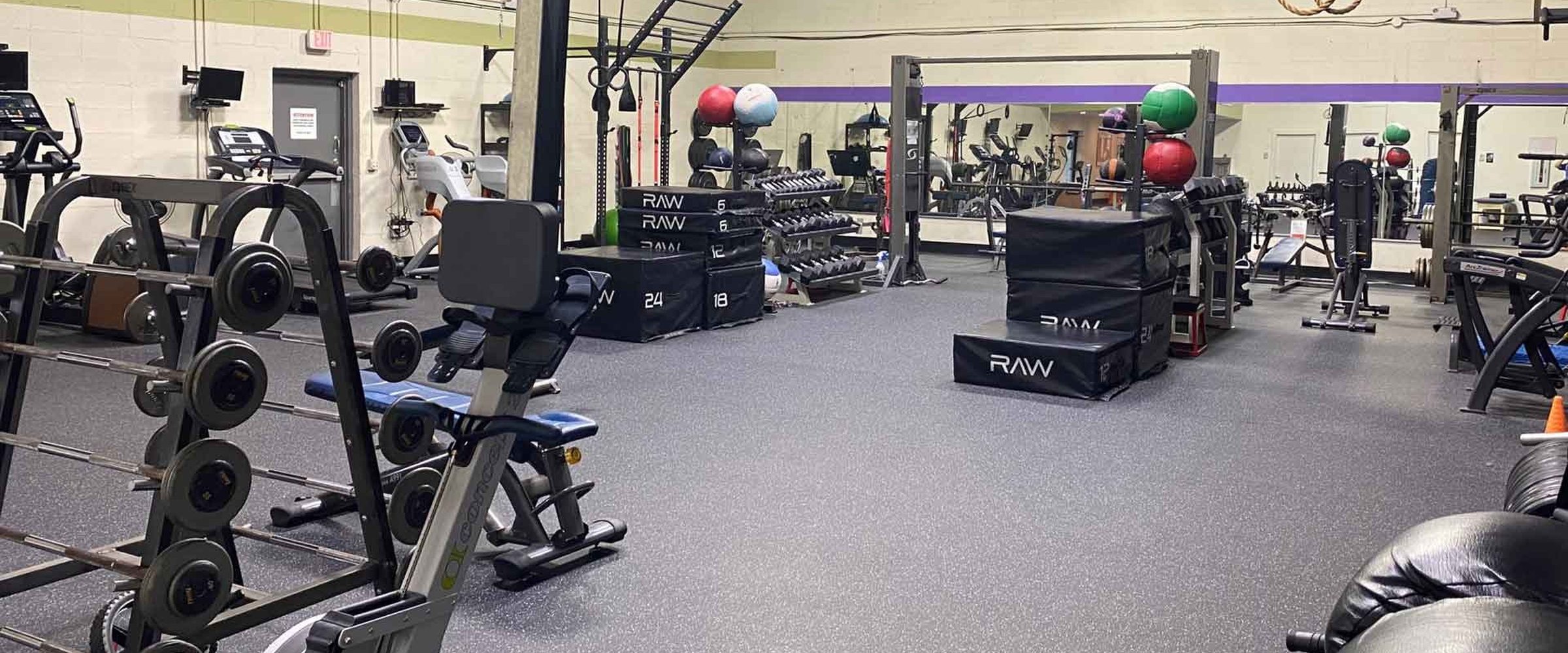
Under twenty foot ceilings, with a separate 2,400 square feet of covered outdoor area.
1,750
square feet at our Daphne studio
Personal Edge Fitness Eastern Shore, a boutique private studio. Approximate.
2
studios, in Mobile and Daphne
Serving Mobile and Baldwin counties. Mobile off the I-65 service road, Daphne on Highway 181.
Your coaching team
Who you would be working with
You work with a planned coaching team rather than being passed around at random.
A planned team, not a rota
Assignments are planned deliberately, so the people coaching you are chosen for complementary experience rather than whoever is free.
Shared notes
Your program, your history and what changed last session are written down and shared, so you are not starting the conversation again each time.
Continuity as your goals change
The same system is what lets your program keep moving when your goals, schedule or limitations change.
Exercise professionals, an intern and administration
Our practice brings all three together. Credentials are listed per person on the team page rather than claimed for the group.
For the past 16 years I have entrusted my exercise regimen to the professional staff at Personal Edge Fitness.
Where we say no
Where we would say this is not the program you need
If you are chasing a specific competitive total on a fixed date, a dedicated powerlifting or weightlifting coach may serve you better than we will, and we will say so. Equally, if you arrive with a painful joint that has never been looked at, the first appointment you need is not with us. We would rather lose the sale than write a program on top of an unexamined problem.
Common questions
Before you get in touch
Do I need to be strong already?
No. The starting load is whatever you can currently control with good technique, and for a lot of people that is body weight.
Will I get bulky?
Adding a meaningful amount of muscle is slow, deliberate work that most people have to chase rather than avoid. Getting stronger and getting bigger are related but not the same thing, and the program is written for whichever you actually want.
How is this different from following a program online?
An online program cannot see that your left hip is not doing its share, cannot decide that today is a bad day to test a maximum, and cannot adjust the plan mid-session. Those three things are most of what you are paying for.
I lift already. Is this worth it?
If your numbers are still moving on a written plan, possibly not, and we will tell you that. If they have been flat for months, the consultation is where we would start working out why.
What about supplements?
Not our lane. We will happily explain what the training is doing, and we are not going to sell you powder.
How long until I see progress?
Early strength gains arrive faster than people expect, because the first improvements are neurological rather than structural. The body gets better at using what it already has. What that means in your case gets discussed at the consultation, with your starting point in front of us.
Can I keep doing my own sport alongside this?
Yes, and the program should be written knowing about it. Tell us what else is in your week so the training load accounts for it rather than competing with it.
Start with a conversation
Tell us your goal, where you are starting from and anything your care team has said. The initial consultation is complimentary, at either studio.